
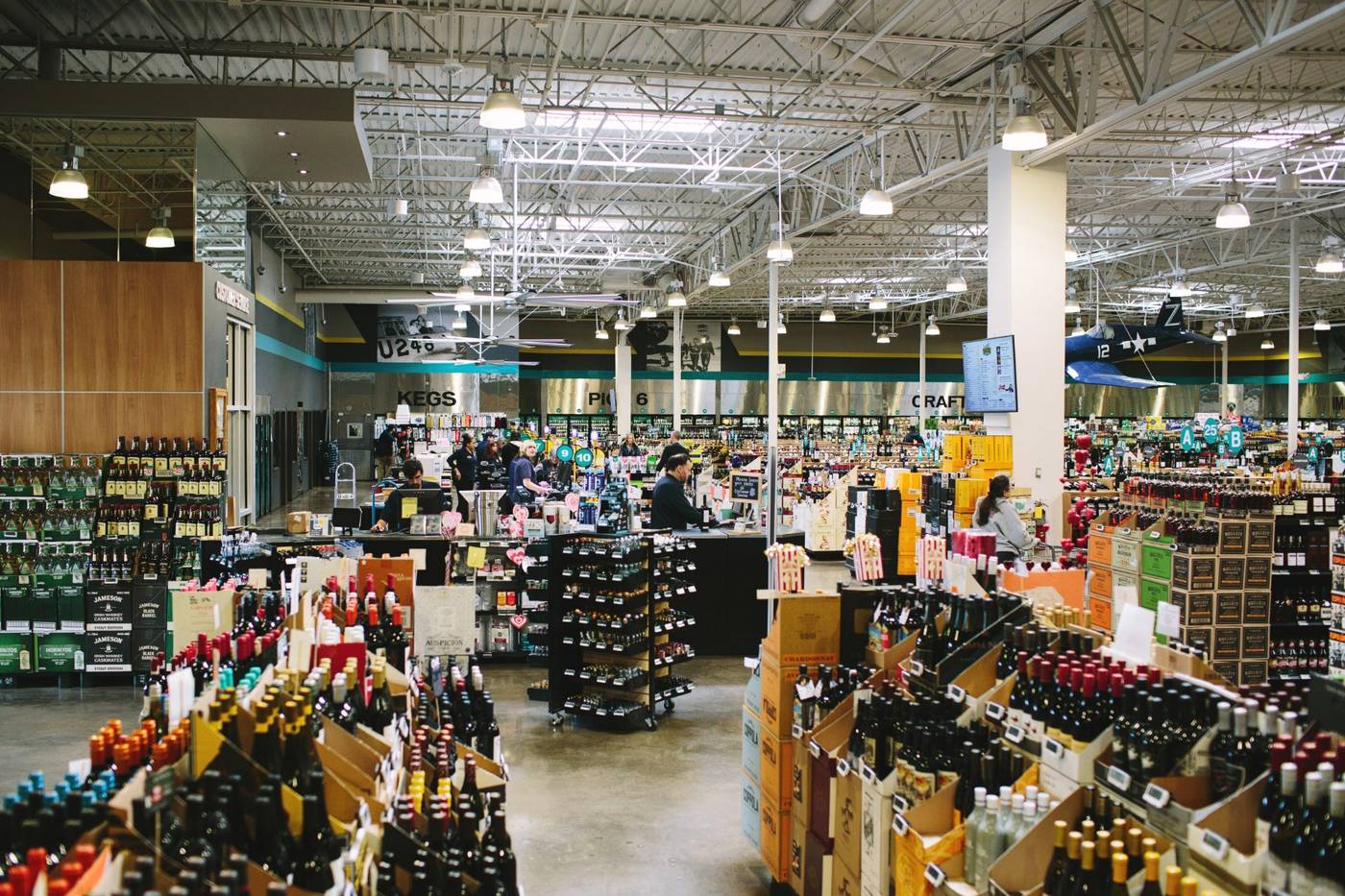
If you run a package store, you’ve probably noticed something when you search for POS software.
Most of what comes back was built for someone else.
The demos are polished. The feature lists look right. But the moment you start asking about the specifics of how your store actually operates — bottle deposits, case break pricing, state compliance reports, mix-and-match deals across a 15,000-SKU inventory — the conversation gets vague. The sales rep starts hedging. Phrases like “customizable” and “flexible configuration” start doing a lot of work.
That’s because most POS software wasn’t built for package stores. It was built for retail in general and adapted for everything else.
mPower wasn’t.
Package Stores Have a Different Set of Problems
The term “package store” means different things depending on where you are. In Georgia, it’s the standard term for any off-premise alcohol retailer. In Connecticut and Massachusetts, it’s the legal designation for licensed liquor retailers. In parts of the South and Midwest, it’s interchangeable with “liquor store.”
What’s consistent across all of them is the operational complexity.
A package store doesn’t just sell a product — it sells the same product in multiple configurations at multiple price points, all within a regulatory environment that doesn’t tolerate mistakes. A case of beer can also be a six-pack, a four-pack, and a single. Each unit has its own price, sometimes their own UPCs. Each sale changes the inventory count at every level. And every transaction involving alcohol has to meet state compliance standards at the point of sale.
That’s a different software problem than selling clothing or hardware. And it requires a different kind of system.
The Inventory Problem Nobody Talks About
Walk into any package store on a Thursday afternoon and ask the owner what their biggest operational headache is. Inventory comes up almost every time.
Not because owners don’t know their products — most package store operators know their catalog better than any software could. The problem is the reconciliation gap: what the system says you have versus what you actually have on the shelf.
It shows up in slow, predictable ways. A receiving discrepancy slips through because the POS doesn’t make it easy to receive against a purchase order line by line. A case break transaction creates a rounding error that compounds over weeks. A high-velocity SKU moves faster than the reorder trigger catches, and you’re out of stock on a Friday night before a holiday weekend.
These aren’t software failures in the dramatic sense. They’re the quiet kind — the kind that show up as shrinkage percentages at the end of the month, or as a cashier awkwardly telling a regular that a product they expected to find isn’t there.
Good package store POS software should eliminate the gap between what the system knows and what’s actually happening in the store. That means real-time inventory tracking at every unit level, purchase order receiving that catches discrepancies before they become inventory problems, and reporting that tells you what’s moving before it’s gone.
Learn more about how mPower handles liquor store inventory →
Compliance Isn’t Optional — And It Shouldn’t Be Manual
Every package store in the country operates under state-specific alcohol regulations. Age verification isn’t a best practice. It’s a legal requirement. And the consequences of getting it wrong — even once — can be severe enough to cost you your license.
The problem with most general retail POS systems is that compliance features are either absent or bolted on as an afterthought. Age verification might technically exist in the system, but nothing prevents a rushed cashier from skipping past it. There’s no enforcement mechanism. There’s no log of what was verified and when. And when a compliance audit comes, there’s nothing to show.
A package store POS system should make compliance the path of least resistance — not an extra step that depends on employees remembering to do it right every time.
That means age verification prompts that can’t be bypassed without an override. Transaction logs that are audit-ready. State-specific restriction settings that account for the regulatory environment your store actually operates in.
See how mPower handles compliance →
The Support Question Nobody Asks Until It’s Too Late
Most package store owners find out what their POS support is actually like at the worst possible time.
It’s a Saturday night in December. The register won’t pull up a price. There’s a line to the door. You call the support number and get a ticket queue or an overseas call center staffed by someone who’s never heard of a case-pack-single split.
This isn’t a hypothetical. It’s a common enough experience that it comes up in almost every conversation we have with owners who are switching systems.
When you’re evaluating package store POS software, support deserves more scrutiny than it usually gets. Ask specific questions. What are the actual support hours? Who answers the phone on a Friday night? Does the support team understand beverage retail specifically — or do they handle everything from restaurants to car washes?
The answers matter more than any feature checklist.
What Makes Package Store POS Software Different from Generic Retail
If you’ve looked at general retail POS platforms — Square, Clover, Lightspeed, Shopify POS — you’ve probably seen systems that look clean and work well for the businesses they were built for.
Package stores aren’t those businesses.
The differences aren’t subtle. They show up in the details that matter:
Case break pricing. A package store sells the same product at different price points depending on whether a customer buys a case, a pack, or a single bottle. Generic retail systems either don’t support this or require complicated workarounds that introduce errors.
Bottle deposits and state-specific fees. Deposit amounts vary by state, by container size (or volume), and sometimes by product category. The right system handles this automatically at the register. The wrong system makes it your problem to track manually.
Vendor invoice receiving. Package store owners deal with distributor deliveries regularly. A POS that makes it easy to receive against a purchase order, flag discrepancies, and update inventory accurately in one step saves hours of reconciliation work every week.
Mix-and-match deals. Build-your-own six-packs, case discount pricing, promotional bundles — these are standard in package store retail. They’re not standard in general retail software.
Reporting for a beverage-specific catalog. Knowing that “spirits” is down 4% month-over-month is different from knowing that your allocated bourbon category is outpacing your order cadence, or that a specific 750ml price tier is underperforming against a comparable product. Package store reporting needs beverage-specific context to be useful.
See how mPower’s liquor store POS software handles these features →
Why mPower Was Built for This
We’ve been building POS software exclusively for package stores, liquor stores, beer distributors, wine shops, and party stores for over 15 years. That’s not a positioning statement — it’s the actual scope of what we do.
Every operator we work with runs a beverage retail business. That means the support team understands your business. The product roadmap is driven by your industry’s needs. When a new state compliance requirement changes how transactions need to be logged, we’re already working on it.
We don’t do contracts. We’re confident enough in what we’ve built that we don’t need to lock anyone in to keep them. If the software isn’t working for your store, you shouldn’t be stuck with it.
What we’ve found over 15 years is that the owners who stay are the ones who feel like the system is watching their back — not the ones who feel trapped.
Ready to See It in Your Store?
If you’re running a package store and your current POS is leaving you with more questions than confidence — or if you’re setting up a new location and want to get it right from the start — we’d like to show you how mPower works in practice.
No pressure. No generic demo. Real answers to the questions that matter for your specific store.
mPower Beverage serves independent package stores, liquor stores, party stores, wine shops, and beer distributors across the United States.